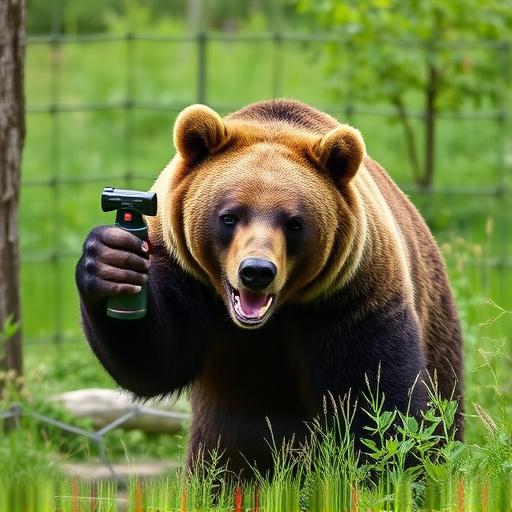
Bear attacks pose a significant risk, leading many to rely on pepper spray for protection. While effective against bears' eyes and respiratory systems, the impact of pepper spray is reduced by bears' thick fur and unique physiology. The duration of contamination varies based on factors like distance, angle, and amount used. Users must understand local guidelines and specific risks when considering bear spray as a prevention tool. The key to safety lies in having enough time to retreat, not the exact duration of contamination. Environmental conditions and spray composition also influence effectiveness. Proper usage, storage, and disposal are crucial to ensure informed decision-making during potential encounters.
“Outdoor enthusiasts, especially those venturing into bear country, must equip themselves with effective tools against potential attacks. One such tool gaining popularity is bear attack prevention spray, a potent deterrent that utilizes capsaicin, the active ingredient in chili peppers. This article explores the science behind its effectiveness and the duration of its contaminating effect, known as ‘how long does pepper spray contaminate’. We’ll delve into factors influencing residue length, safety considerations, and best practices for storage and disposal, providing a comprehensive guide to ensure user safety.”
- Understanding Pepper Spray Effectiveness Against Bears
- The Science Behind Bear Spray Contamination Duration
- Factors Influencing the Length of Bear Spray Residue
- Safety Considerations for Using Bear Attack Prevention Spray
- Best Practices for Storage and Disposal of Pepper Spray for Bear Deterrents
Understanding Pepper Spray Effectiveness Against Bears
Bear attacks are a serious concern for outdoor enthusiasts and individuals living in bear country. One popular prevention method is the use of pepper spray, but understanding its effectiveness against bears is crucial. Pepper spray works by irritating the eyes and respiratory system, temporarily disabling the target. However, when it comes to bears, their thick fur and unique physiology can reduce the impact of standard pepper spray.
The active ingredient in pepper spray, capsaicin, takes effect quickly, usually within a few seconds to a minute. But how long does pepper spray contaminate a bear? Studies suggest that bears may be less susceptible to pepper spray due to their thick fur and large surface area of body. The spray’s effectiveness can vary significantly depending on the distance, angle, and amount of spray used. In some cases, a single burst might not even reach or deter an aggressive bear. Therefore, it’s important for users to understand their specific risks and follow local guidelines when carrying pepper spray as a bear attack prevention measure.
The Science Behind Bear Spray Contamination Duration
The effectiveness of bear spray, also known as pepper spray, relies on its active ingredient—capsaicin, which is derived from chili peppers. When sprayed onto an animal’s face, capsaicin irritates their eyes, nose, and throat, temporarily disorienting them and creating an opportunity for escape or retreat. The duration of this contamination varies based on several factors, including the concentration of capsaicin in the spray, weather conditions, and the bear’s behavior.
Generally, bear spray can remain effective for up to 6-8 hours, although some brands claim longer durations. However, how long it contaminates a bear’s senses isn’t as crucial as ensuring you have enough time to back away safely if a confrontation occurs. It’s important to remember that even brief exposure to bear spray can significantly deter an attack, allowing individuals to evacuate the area without sustaining serious injuries.
Factors Influencing the Length of Bear Spray Residue
The length of bear spray residue can vary based on several factors, affecting how long it remains effective and detectable. One key factor is the environmental condition during application; wind speed and direction play a significant role in determining the spray’s range and dispersal. A strong headwind can quickly carry pepper spray particles away from the target area, reducing its overall impact and contamination duration. Conversely, calm or tailwind conditions allow for better retention on surfaces and potentially longer-lasting residue.
Another influencing factor is the type of surface where the bear spray lands. Smooth, non-porous surfaces like metal or glass tend to repel and dry out the spray more quickly than absorbent materials such as fur, clothing, or woodland debris. The composition of the spray itself also matters; formulations designed for longer-lasting residue may remain effective and detectable for extended periods under specific conditions, whereas milder options might break down faster.
Safety Considerations for Using Bear Attack Prevention Spray
When considering bear attack prevention spray as a safety measure, it’s crucial to understand the product’s effectiveness and limitations. These specialized sprays contain capsaicin, the active ingredient found in chili peppers, which can irritates a bear’s eyes and respiratory system, temporarily disorienting them. However, proper usage is key; aim for the bear’s face and eyes, as this will maximize the effect.
Regarding safety considerations, it’s important to note that how long pepper spray contaminates an area varies. Bears may still react aggressively even after the spray has dissipated, so users should maintain a safe distance and follow up with other preventive measures like making noise to deter bears. Additionally, ensure you’re familiar with local regulations and bear behavior before venturing into known bear habitats, as these factors will influence the best course of action during a potential encounter.
Best Practices for Storage and Disposal of Pepper Spray for Bear Deterrents
When storing pepper spray for bear deterrents, keep it out of reach and in a secure location. It’s recommended to store them away from direct sunlight, extreme heat, or cold, as these conditions can affect the spray’s effectiveness. Opt for a cool, dry place, such as a locked cabinet or storage box, to ensure the spray remains viable for extended periods.
Disposal is another crucial aspect. Since pepper spray is designed to be an irritant, proper disposal methods are essential to prevent environmental contamination. Follow local regulations regarding hazardous waste disposal. Never pour it down the drain or flush it down the toilet, as this can lead to water pollution and potentially harm aquatic life. Contact your local waste management authority for guidance on safe disposal options, ensuring that it doesn’t end up in landfills where it could contaminate soil and groundwater for an extended period, known as how long pepper spray contaminates.
In conclusion, understanding the effectiveness, science, and safety behind outdoor bear attack prevention spray is key. Knowing how long pepper spray contaminates an area (in terms of its residue duration) depends on various factors, including weather conditions and surface types. Always follow best practices for storage and disposal to ensure maximum efficacy and minimize environmental impact. Remember that, while not a foolproof solution, when used correctly, bear spray can be a valuable tool in preventing dangerous encounters. Stay safe when venturing into bear country.